
Rubber wood, also known as Hevea brasiliensis, is a hardwood native to tropical and humid regions. It is particularly well-suited for cultivation in Southeast Asia. After approximately 20 years, when the rubber tree is no longer productive for latex extraction, its trunk and roots are utilized for various industrial purposes.
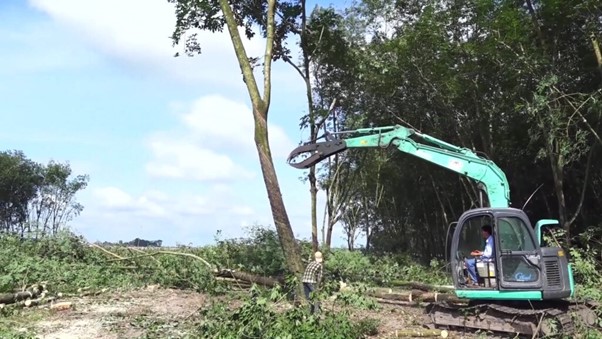
Let’s explore the characteristics, applications, and challenges associated with rubber wood:
- Characteristics of Rubber Wood
- High Durability: Rubber wood boasts superior hardness, impressive load-bearing capacity, minimal deformation under weather conditions, and excellent resistance to termite infestation. These properties ensure the longevity of products made from it.
- Water Resistance: While not completely waterproof, properly treated rubber wood can withstand a certain amount of water exposure, making it suitable for bathroom furniture and other damp spaces within homes.
- Flexibility: Rubber wood’s flexibility allows for easy processing, enabling unique shapes and designs to meet diverse market demands.
- Cost Comparison: When compared to oak or teak wood, rubber wood not only has a lower price point but also provides high utility, making it an attractive choice for most households.

- Interior Furniture Applications
- Common Furniture Items: Rubber wood is widely used for manufacturing essential furniture items such as tables, chairs, wardrobes, and beds. Its combination of durability and affordability makes it a top choice.
- Specialty Products: Beyond the basics, rubber wood is also employed in crafting outdoor furniture like garden chairs. It’s also used for elegant interior decor pieces such as bookshelves and picture frames, enhancing both aesthetics and functionality.
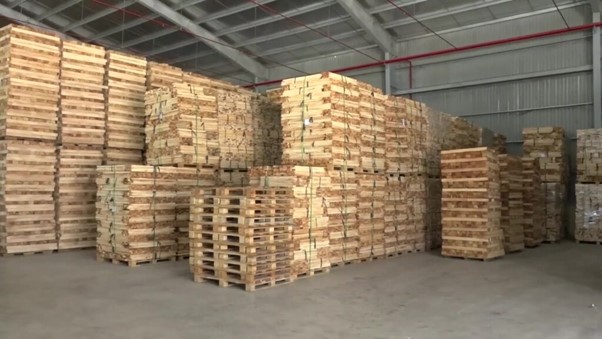
- Production Process and Technology
- The production process for rubber wood furniture involves a complex sequence of steps, from raw material extraction to processing, machining, assembly, and finishing. Modern technology, including CNC cutting machines, drying equipment, and heat presses, optimizes this process, ensuring high efficiency and consistent product quality.
- Economic and Environmental Benefits
- Cost-Effectiveness: Rubber wood not only reduces production costs but also delivers quality products at an affordable price, meeting the needs of most consumers.
- Competitiveness: With reasonable pricing and assured quality, rubber wood helps furniture businesses enhance their competitiveness in the market.
- Sustainable Wood Management: Rubber wood is a renewable resource, cultivated and harvested using sustainable management practices. This contributes to environmental protection and ecosystem preservation.
- Recycling and Reuse: Rubber wood’s recyclability and reusability minimize wood waste, promoting a greener and more sustainable future.
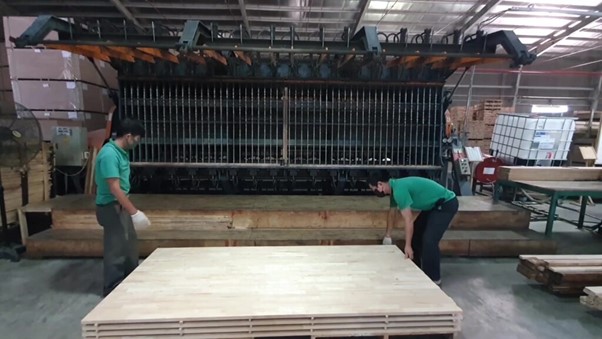
- Challenges and Solutions
- Moisture Concerns: Proper moisture control is essential. Rubber wood should undergo careful drying processes and be treated to prevent warping and termite damage.
- Solution: Implement thorough drying techniques and apply anti-termite measures to ensure product durability.
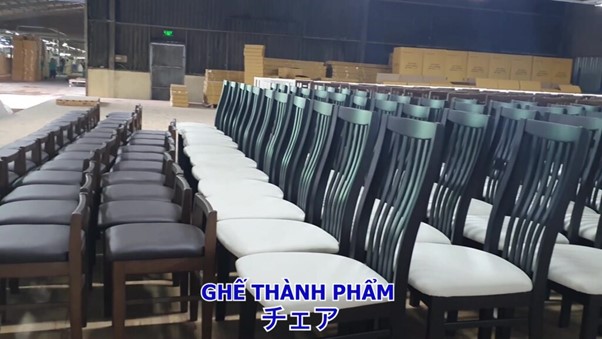
In summary, rubber wood is not only a smart choice for the furniture industry but also contributes to environmental sustainability. Its widespread use reflects market demand and underscores how each material choice plays a role in protecting our living environment1